HEAD OF STATE HIGHLIGHTS PETROLEUM LAW AND LOCAL CONTENT LAW REFORMS IN ATTRACTING INVESTMENT
Rio de Janeiro
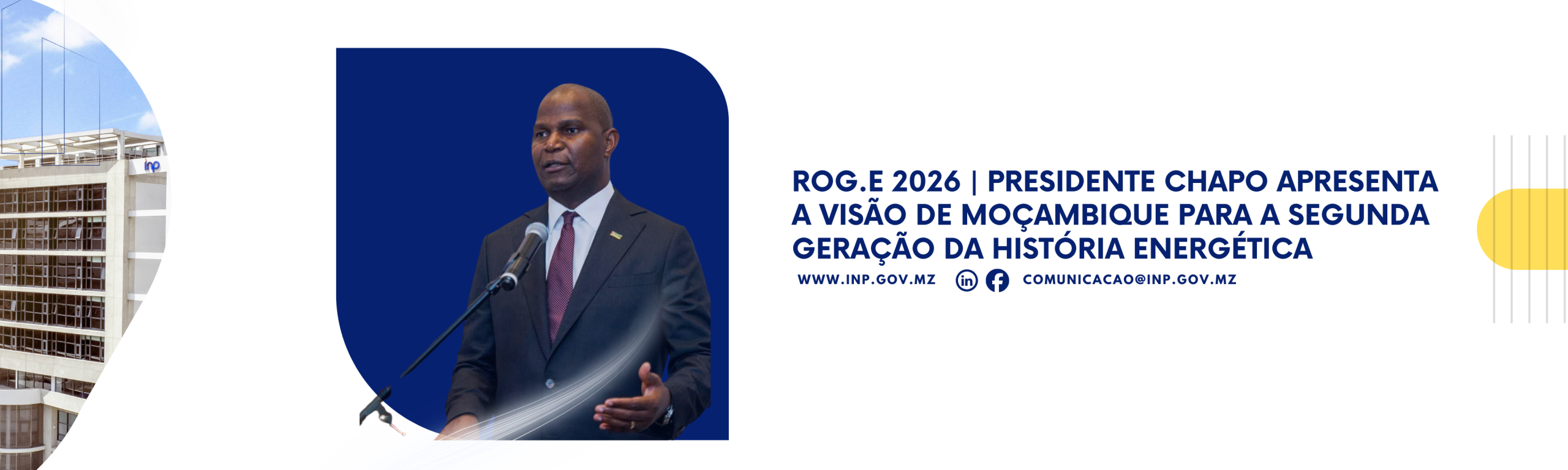
O Presidente da República, Daniel Francisco Chapo, discursou como orador principal na cerimónia de abertura do Fórum Rio Oil, Gas and Energy (ROG.e 2026), no Rio de Janeiro, no dia 21 de Setembro corrente, a convite do Instituto Brasileiro de Petróleo, Gás e Biocombustíveis. Sob o tema “Da Descoberta à Transformação: A Segunda Geração da História Energética de Moçambique”, o Chefe de Estado apresentou perante investidores, dirigentes da PETROBRAS e representantes dos governos brasileiros a visão do país sobre a evolução energética para um futuro sustentável, numa altura em que se assinalam cinquenta anos de relações diplomáticas entre Moçambique e o Brasil.
O Presidente recordou que Moçambique possui recursos de gás natural de dimensão mundial, cerca de 180 triliões de pés cúbicos, dos quais 133 triliões recuperáveis, com um potencial de geração eléctrica superior a 196 GW, o maior de África. Alertou, contudo, que “possuir recursos naturais não é sinónimo de desenvolvimento”: os recursos só se transformam em riqueza verdadeira quando geram capacidade produtiva, conhecimento, empresas robustas e emprego, sobretudo para a juventude e as mulheres.
This challenge forms the foundation of what the Head of State termed the second generation of Mozambique’s energy history. Following an initial stage defined by discoveries in Pande, Búzi, and Temane, as well as the launch of commercial production in 2004, the country now seeks to move further: to continue exploring while simultaneously driving industrialisation, attracting capital, developing Mozambican enterprises, and building local technical capacity. This phase encompasses major projects such as Coral Sul FLNG, Coral Norte, Mozambique LNG, and Rovuma LNG, with investments projected at around $50 billion.
Para sustentar esta transformação, o Presidente Chapo destacou a nova Lei do Petróleo, aprovada em Junho, que envia “uma mensagem clara e inequívoca ao mercado”: Moçambique quer investimento e está empenhado em assegurar previsibilidade jurídica, estabilidade fiscal, transparência regulatória e protecção jurídica aos investidores, preservando direitos adquiridos e o respeito pelos contratos, assegurou o Chefe de Estado.
O Chefe de Estado sublinhou igualmente a Lei do Conteúdo Local, aprovada como “política de desenvolvimento empresarial” e não como mera obrigação administrativa, destinada a criar empresas moçambicanas capazes de fornecer bens e serviços, formar técnicos e engenheiros e garantir transferência efectiva de tecnologia. “Conteúdo local, para nós, não significa fechar o mercado”, afirmou, apelando a mais joint ventures, consórcios e parcerias entre empresas moçambicanas, brasileiras e de outras nacionalidades.
Addressing investors, financial institutions, and industry leaders gathered in Rio, President Chapo extended a direct invitation to closely monitor Mozambique’s new exploration frontier, which extends beyond the Rovuma Basin to include the Mozambique Basin, Angoche, the Zambezi Delta, and other onshore and offshore areas at various stages of exploratory maturity.
“Olhem para Moçambique em África (…) para o Moçambique que estamos a construir para os próximos anos e queremos construir juntos”, afirmou o Chefe de Estado, reiterando a disponibilidade do país para uma parceria estratégica e de longo prazo com o Brasil e com o resto do mundo, no âmbito da segunda geração da sua história energética.
It is worth noting that the Chairman of the Board of Directors of the National Petroleum Institute (INP), Nazário Bangalane, is among the featured panelists at the event, which runs through September 24.
Institutional Communications & Media Relations: National Petroleum Institute (INP) | Headquarters: Rua dos Desportistas, Nº 259, Maputo, Mozambique Telephone: +258 21248300 | Email: comunicacao@inp.gov.mz Visit: LinkedIn – Facebook